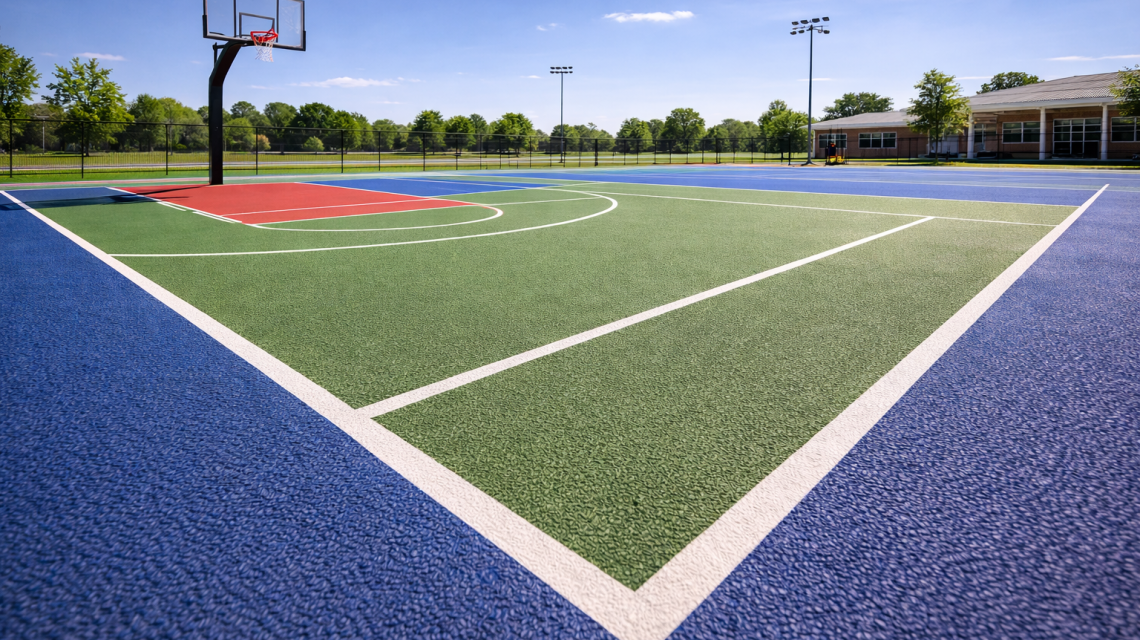
Sports flooring is a critical component of athletic environments, designed to enhance performance and safety while catering to a variety of sports and activities. As the foundation for gyms, arenas, and courts, the type of flooring selected can significantly impact an athlete’s performance, reducing the risk of injuries and improving overall comfort. With advancements in material technology and design, sports flooring has evolved to meet the diverse requirements of both amateur and professional athletes, ensuring that venues provide optimal conditions for practice and competition.
The importance of choosing the right sports flooring extends beyond mere aesthetics; it encompasses functionality, durability, and sustainability. This article delves into the various types of sports flooring available, including hardwood, rubber, and synthetic options, examining their unique benefits and considerations. Understanding the characteristics of each type is essential for facility managers, coaches, and athletes alike, as it directly influences training effectiveness and competitive outcomes. As the sports industry continues to innovate, the role of specialized flooring remains paramount in fostering athletic excellence.
Types of Sports Flooring
Various types of sports flooring can be utilized depending on the specific needs of the facility and the sports being played. Hardwood floors are often favored for basketball and volleyball due to their natural shock absorption and aesthetic appeal, providing a classic look and feel. In contrast, rubber flooring is gaining popularity for multipurpose gyms and fitness centers, as it offers excellent durability, slip resistance, and enhanced shock absorption. Additionally, more facilities are embracing synthetic options, which feature advanced materials that mimic the characteristics of natural surfaces yet offer superior durability and maintenance benefits.
Maintenance and Longevity
Selecting a sports flooring type also involves considerations regarding maintenance and longevity. While hardwood requires periodic refinishing and careful upkeep to preserve its quality, rubber and synthetic flooring options often boast lower maintenance needs, making them a practical choice for busy environments. Understanding the long-term requirements of each flooring type can help facility managers make informed decisions that enhance both the athlete’s experience and the lifespan of the flooring, ultimately contributing to the sustainability of the athletic venue.
In conclusion, the choice of sports flooring is a fundamental aspect of creating an effective and safe athletic environment. Each type of flooring, whether it be hardwood, rubber, or synthetic, brings distinct advantages that cater to the specific demands of various sports and activities. The significant impact that flooring has on performance, injury prevention, and overall athlete experience cannot be overstated; therefore, thoughtful consideration must be given to the materials and maintenance requirements involved. As sports continue to evolve and the need for specialized training environments grows, investing in high-quality sports flooring becomes crucial for any facility aiming to promote athletic excellence and foster a culture of health and performance.